
Understanding Macronutrients: A Simple Breakdown
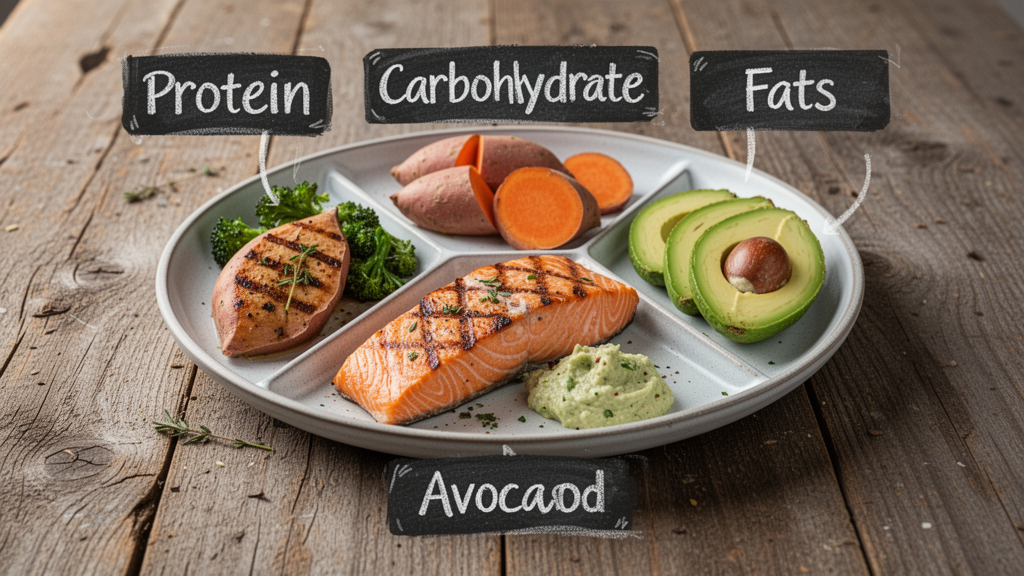
If you have ever looked at a nutrition label or tried to follow a diet plan, you have probably encountered the term macronutrients, often shortened to macros. But what exactly are macronutrients, why do they matter, and how can understanding them help you eat better? This comprehensive guide breaks down everything you need to know about the three macronutrients—protein, carbohydrates, and fats—in plain, practical language.
The Big Three: Protein, Carbs, and Fat
Macronutrients are the nutrients your body needs in large amounts to function properly. Unlike micronutrients (vitamins and minerals), which your body needs in tiny quantities, macronutrients provide the calories that fuel everything from your morning workout to your brain processing this article right now. Every food you eat is made up of some combination of these three macronutrients, and understanding the role each one plays is the foundation of good nutrition.
Once you understand macros, the next skill to develop is reading food packaging. Our guide on how to read nutrition labels like a pro will show you how to quickly decode any label.
Protein: The Builder
Protein is essential for building and repairing tissues, making enzymes and hormones, and supporting immune function. It is made up of amino acids, nine of which are considered essential because your body cannot produce them on its own. When you eat protein, your body breaks it down into these amino acids and uses them as building blocks for everything from muscle fibers to skin cells.
If your goal is building lean muscle, protein is your most important macro. Try these 10 high-protein meal prep recipes for muscle building to put your macro knowledge into practice.
How much protein do you need? The general recommendation is 0.8 grams per kilogram of body weight for sedentary adults, but most nutritionists now agree that this is a minimum, not an optimal amount. If you exercise regularly, especially if you do resistance training, you likely need between 1.2 and 2.0 grams per kilogram. For a 150-pound person, that translates to roughly 80 to 136 grams of protein per day.
Great sources of protein include chicken breast, fish, eggs, Greek yogurt, tofu, legumes, and lean beef. When meal prepping, protein is often the star of the show—it is the ingredient that takes the longest to cook and provides the most satiety per calorie.
Carbohydrates: The Fuel
Carbohydrates have gotten a bad reputation in recent years thanks to low-carb diet trends, but they are your body's preferred source of energy. When you eat carbs, your body converts them into glucose, which fuels your brain, muscles, and organs. Without adequate carbohydrates, you may experience fatigue, brain fog, and poor workout performance.
Curious about how the types of foods you eat affect inflammation? Dive into our anti-inflammatory diet guide to learn which macronutrient sources reduce chronic inflammation.
Not all carbs are created equal, however. Simple carbohydrates, found in sugar, candy, and white bread, are digested quickly and can cause blood sugar spikes. Complex carbohydrates, found in whole grains, vegetables, and legumes, are digested more slowly and provide sustained energy along with fiber, vitamins, and minerals.
Most adults should aim for carbohydrates to make up 45 to 65 percent of their total calorie intake, with an emphasis on complex, fiber-rich sources. Brown rice, sweet potatoes, oats, quinoa, and whole wheat pasta are all excellent choices for meal prep because they store well, reheat easily, and pair with almost any protein.
Fat: The Essential Nutrient
Fat is the most calorie-dense macronutrient at nine calories per gram compared to four for protein and carbs. This caloric density is one reason fats were demonized for decades, but we now know that dietary fat is absolutely essential for health. Fat helps your body absorb fat-soluble vitamins (A, D, E, and K), supports cell membrane integrity, provides insulation and organ protection, and is crucial for hormone production.
For a specific macro-focused eating plan, check out our complete keto meal prep guide which emphasizes high fat and low carbohydrate intake.
Like carbs, the type of fat matters. Unsaturated fats, found in olive oil, avocados, nuts, and fatty fish, are associated with reduced inflammation and improved heart health. Saturated fats, found in butter, cheese, and red meat, should be consumed in moderation. Trans fats, found in some processed foods, should be avoided entirely.
A healthy fat intake is generally 20 to 35 percent of total calories. For meal prep, incorporating healthy fats is easy: drizzle olive oil on roasted vegetables, add sliced avocado to grain bowls, or include a handful of almonds as a snack.
How to Calculate Your Macros
Calculating your ideal macro split starts with determining your total daily calorie needs, which depends on your age, sex, weight, height, and activity level. From there, you can set percentage targets for each macronutrient. A common starting point for general health is 30 percent protein, 40 percent carbs, and 30 percent fat, but this varies based on goals.
If your goal is muscle building, you might increase protein to 35 to 40 percent. If you are training for a marathon, you might bump carbs up to 50 to 60 percent. If you are following a ketogenic diet, fat might make up 70 percent or more of your calories while carbs drop below 10 percent.
The most practical approach is to use a food tracking app for a week or two to get a baseline understanding of what you are currently eating, then adjust from there. You do not need to track macros forever—most people develop an intuitive sense of balanced eating after a few weeks of paying attention.
Putting It All Together
Understanding macronutrients is not about obsessive calorie counting or restrictive dieting. It is about making informed choices that support your energy levels, body composition, and overall health. When you sit down to plan your meal prep for the week, think about balance: every meal should include a quality protein source, a complex carbohydrate, and a healthy fat. This simple framework ensures you are getting the fuel your body needs without overthinking every bite.
If you are using a local meal prep service through Fondoo, you will notice that many providers list the macronutrient breakdown for every dish. This transparency makes it incredibly easy to stay on track with your nutritional goals while enjoying professionally prepared, delicious meals. Whether you are counting macros or simply trying to eat a more balanced diet, understanding these three nutrients is the first step toward a healthier relationship with food.
A Note on Micronutrients
While macronutrients get most of the attention, it is worth mentioning that a balanced macro intake naturally supports your micronutrient intake as well. When you eat a variety of protein sources, complex carbohydrates, and healthy fats, you are also consuming a wide spectrum of vitamins, minerals, and antioxidants that your body needs in smaller quantities. Iron from red meat, B vitamins from whole grains, vitamin E from nuts, and potassium from sweet potatoes are all examples of micronutrients that come along for the ride when your macros are dialed in. This is yet another reason why a balanced plate beats any single-nutrient supplement: real food delivers the complete nutritional package your body was designed to thrive on.
Related Articles

The Anti-Inflammatory Diet: What to Eat and Why
Chronic inflammation is linked to many diseases. Learn which foods can help reduce it naturally.

How to Read Nutrition Labels Like a Pro
Decode serving sizes, daily values, and ingredient lists to make smarter food choices.
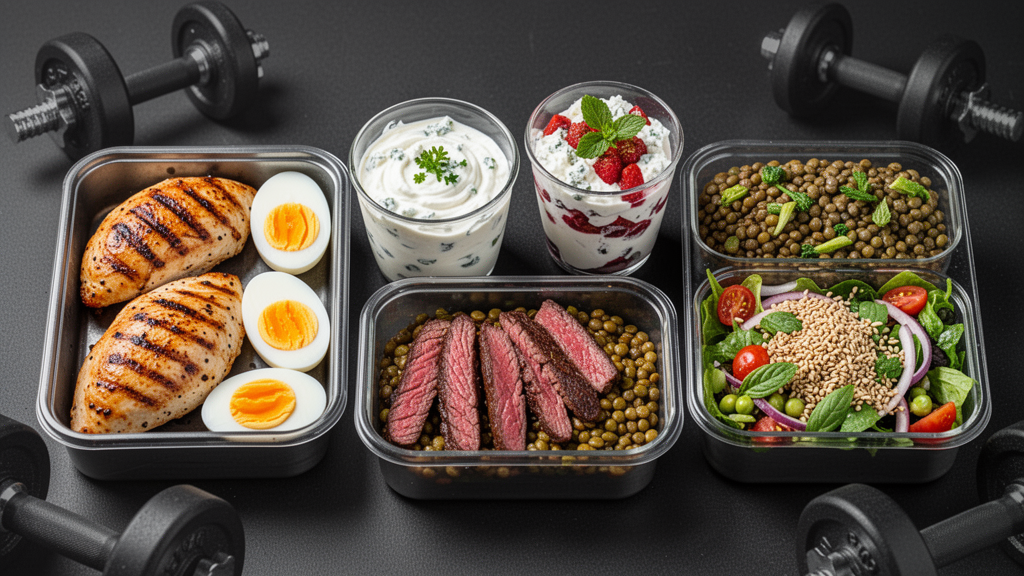
10 High-Protein Meal Prep Recipes for Muscle Building
Fuel your fitness goals with these protein-packed recipes designed for batch cooking.